AI Personalization

In 2025, personalization isn’t optional it’s infrastructure.
The brands leading ecommerce growth aren’t just sending smarter emails; they’re orchestrating connected, data-driven experiences across every customer touchpoint from inbox to checkout.
The Shift: From Segments to Singular Experiences
According to Publicis Sapient’s Future of E-commerce Trends 2025, shoppers now expect every message, offer, and product recommendation to feel uniquely theirs. The days of “women 25-34” segmentation are fading fast replaced by predictive modeling that anticipates what you want, not just what people like you want.
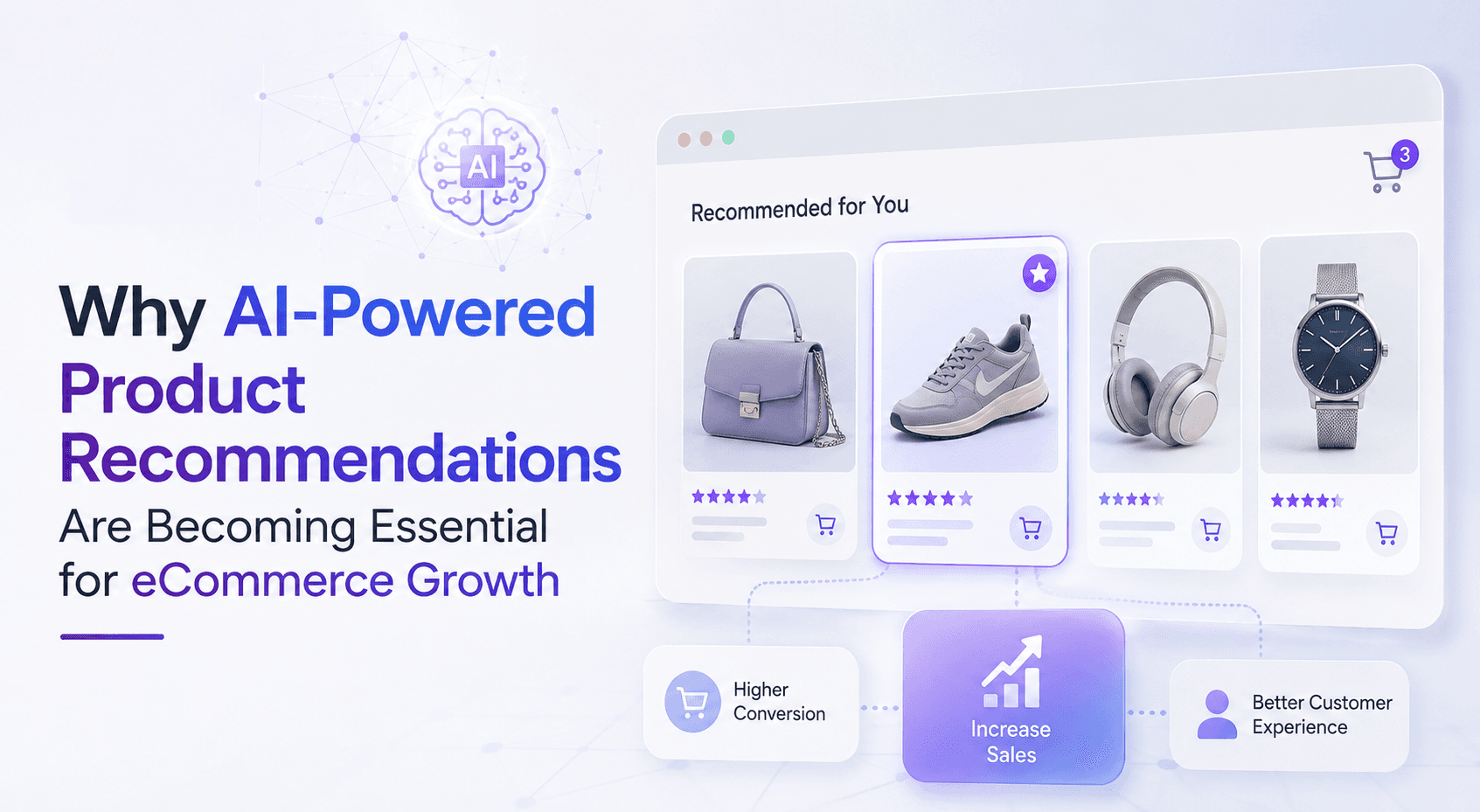
AI personalization in ecommerce has evolved beyond “you might also like” widgets. It now powers:
Real-time product curation
Dynamic pricing
Predictive offer timing
Channel-specific content variation
It’s personalization that adapts to customer intent in milliseconds and it’s becoming the baseline expectation for online shoppers.
What This Means for Marketers
For marketers, AI personalization redefines how campaigns are planned and delivered. No more “batch and blast.” Instead, campaigns become adaptive ecosystems that respond to customer signals in real time.
Inside Klaviyo, the AI tools are already there if you know how to use them:
Predictive Analytics calculates each customer’s next purchase date and churn probability.
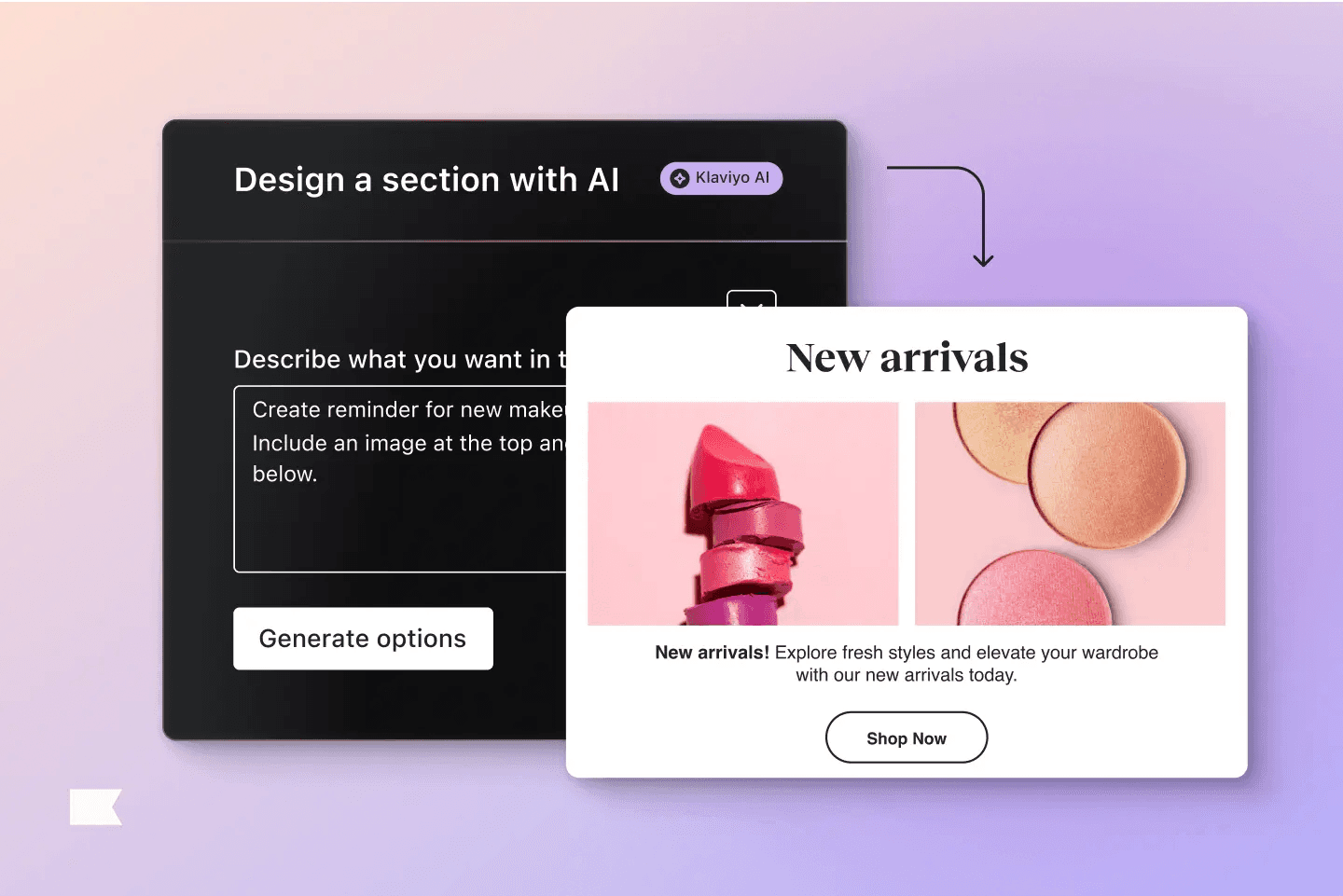
The AI Content Assistant generates subject lines and message variations based on engagement data.
Smart Sending automatically throttles volume by audience behavior to reduce fatigue.
And with integrations like Windsor.io, brands can automate personalized video messages thanking customers by name or re-engaging lapsed buyers with dynamic, AI-generated video content.
These aren’t gimmicks; they’re measurable optimizations.
At Convert Via, we’ve seen open rates jump by 20–30% when Klaviyo’s predictive insights are used to personalize cadence and creative together not separately.
What This Means for Developers
Developers are now the backbone of AI personalization. Shopify stores that rely on static, theme-based experiences simply can’t compete with those using intelligent product engines and modular builds.
The new wave of AI-powered Shopify tools is where the action is:
Rebuy uses machine learning to personalize product recommendations, cart upsells, and post-purchase offers based on live user behavior.
LimeSpot and Nosto dynamically reorganize product collections and content blocks for each visitor.
Shoplift AI continuously A/B tests layouts and copy, automatically serving the variant with the best predicted conversion rate.
Orita.ai automates product tagging and semantic enrichment, helping developers power smarter recommendation logic without manual categorization.
Add Triple Whale’s predictive LTV model and Microsoft Clarity’s AI behavioral analytics, and you’ve got an ecosystem that learns, iterates, and optimizes without constant manual intervention.
The key for devs in 2025 isn’t more apps it’s data orchestration. Every integration should feed a unified understanding of the customer journey, not create another silo.
Personalization as Infrastructure, Not a Feature
This is the turning point: personalization is no longer a plugin.
It’s the connective tissue of your ecommerce operation spanning UX, analytics, content, loyalty, and fulfillment. The brands that will win in 2025 are those building AI-native ecosystems, not bolting on “smart” tools as afterthoughts.
That means:
Clean, structured data flowing between Shopify, Klaviyo, and your analytics stack.
Modular storefronts that adapt content and offers in real time.
Marketing strategies driven by prediction and feedback loops, not static calendars.
It’s what we call at Convert Via Adaptive Commerce a system where every tool, API, and automation collaborates toward one goal: understanding the customer better with every interaction.
How Convert Via Helps
At Convert Via, we help brands move beyond manual marketing into AI-orchestrated growth.
Our personalization audits uncover where your data breaks down, where your automations stall, and where your systems don’t communicate. Then we rebuild connecting tools like Shopify, Klaviyo, Rebuy, Shoplift AI, Orita.ai, and Triple Whale into one seamless personalization stack.
The result:
Smarter product recommendations
Predictive retention flows
Dynamic email content
Measurable improvements in conversion and customer lifetime value
AI personalization isn’t about replacing human creativity it’s about giving it sharper intuition. And the brands that embrace it now will set the new baseline for ecommerce performance in 2025.
Keywords: AI personalization ecommerce, ecommerce personalization 2025
Source: Publicis Sapient – Future of E-commerce Trends 2025
Ecommerce Personalization
AI Personalization
Ecommerce Trends 2025
Predictive Analytics
Klaviyo
Shopify
Customer Data
Marketing Automation
CRO
Product Recommendations
Customer Lifetime Value (LTV)
Retention Marketing
Recent Post