CRO

Discounts are one of the easiest levers for brands to pull, but they are also one of the fastest ways to erode margin and condition customers to wait for the next offer. In 2026, the smarter path is not more discounting. It is better conversion strategy.
That is where AI and CRO start to work well together.
The core idea is simple: instead of using discounts to force action, brands can use AI-supported optimization to reduce friction, improve confidence, and make the path to purchase easier. Your attached strategy pack frames this clearly by positioning AI-powered CRO as a way to improve conversion through speed, UX, search, personalization, and testing rather than defaulting to promo dependence.
The first and most important shift is performance. If a site is slow, cluttered, or difficult to navigate, conversion suffers before price even enters the equation. AI-assisted audits can help brands spot theme bloat, unused scripts, and heavy assets faster, giving lean teams a more efficient path to improvement. Performance is not just a technical issue. It is a conversion issue.
The second opportunity is product discovery. Better onsite search and better filters reduce browse fatigue and help shoppers get to relevant products faster. That matters because many lost conversions are not caused by weak intent. They are caused by friction between interest and discovery. When shoppers cannot find what they want quickly, they leave.
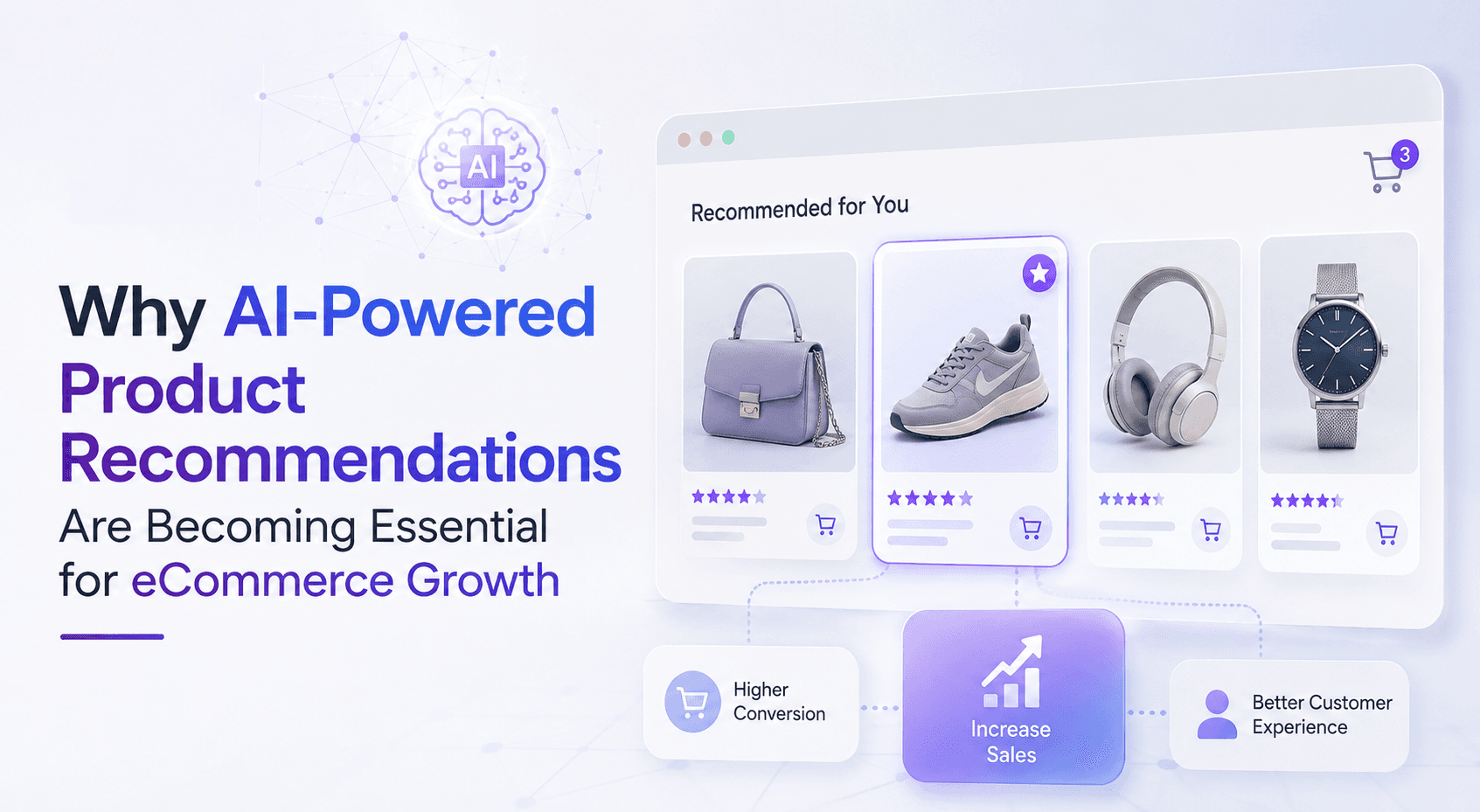
Third, product recommendations need to become more relevant, not more aggressive. Smarter recommendations can increase average order value without relying on discounts, especially when they feel helpful instead of pushy. The same logic applies to PDP clarity. The clearer the pricing, availability, shipping details, return policy, and product specifications, the lower the uncertainty for the shopper. That reduction in hesitation is often more valuable than a temporary percent-off offer.
Testing discipline is another major theme in this piece. Rather than making broad changes based on instinct, brands should use controlled testing to validate what actually lifts performance. Your attached draft highlights Shopify Rollouts as a useful mechanism for scheduling, testing, and comparing changes before they go live more broadly, which makes experimentation more realistic for lean teams.
The retention layer matters here too. Convert Via’s strategy pack explicitly connects personalization infrastructure with lifecycle messaging, calling out that more relevant email and SMS experiences can reduce promo dependency over time. That is an important point. Conversion is not only about the session. It is also about what happens before and after it. When brands use customer data well, they can make messaging feel more timely, more useful, and less reliant on blanket incentives.
That does not mean brands should never use discounts. It means discounts should become more targeted and more strategic. The draft notes that when incentives are used, they should be value-based and precise rather than sitewide and automatic. This is the difference between an offer strategy and a margin leak.
For Convert Via, this topic fits especially well because the attached research connects it directly to your existing service mix across web development, retention marketing, design, CRO, and offer strategy. The message is strong and useful for clients: sustainable growth comes from better systems, better experimentation, and better customer experiences, not just bigger discounts.
The takeaway is simple: if your growth strategy still depends on constant promotions, AI and CRO offer a more durable alternative. Optimize the experience first, then use offers with intention.
Recent Post