AI Search

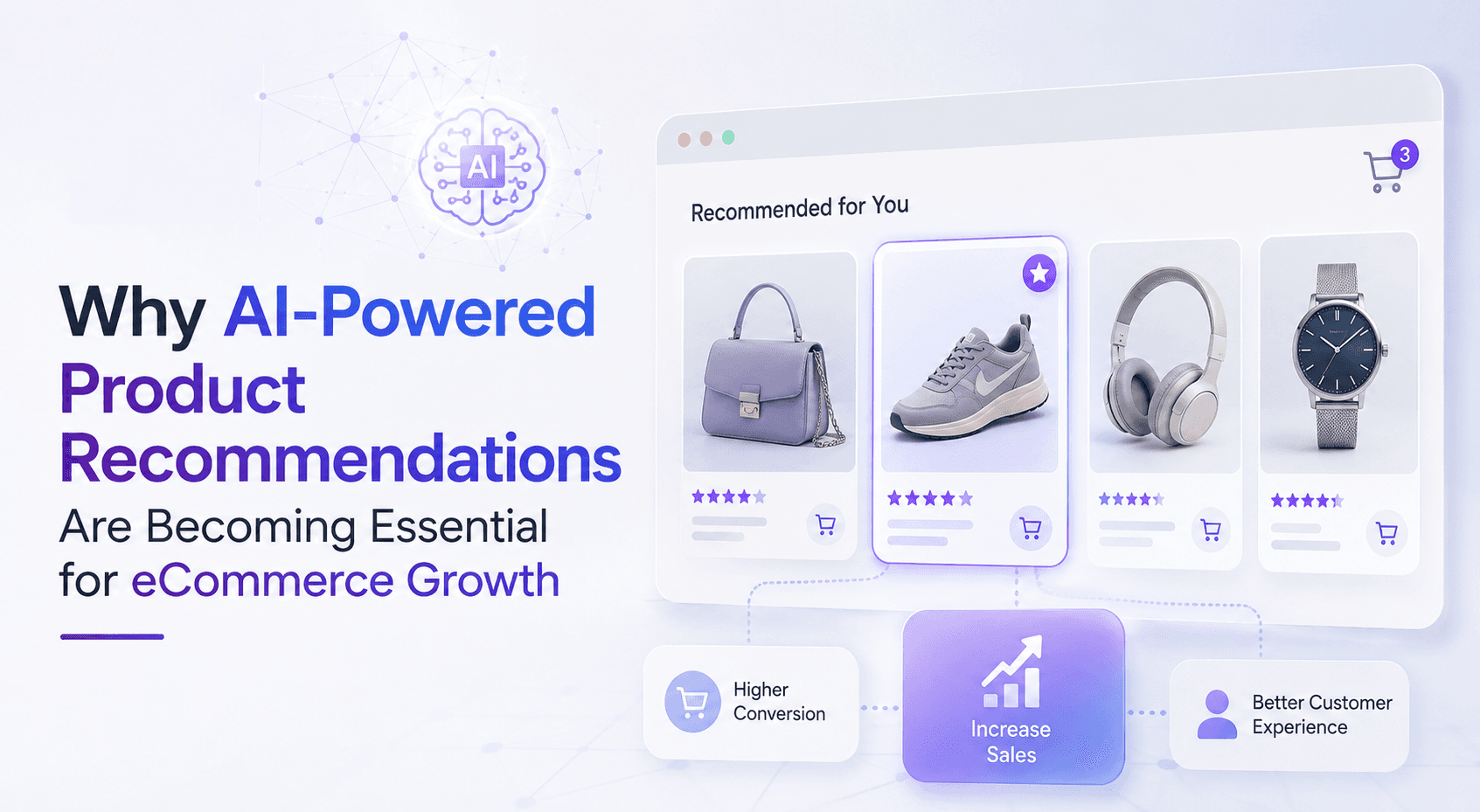
AI search is changing product discovery in one fundamental way: the results page is becoming an answer and a shortlist, not just a list of links. More importantly, the purchase journey is moving closer to the answer itself.
For eCommerce brands, that shift matters because discovery is no longer confined to traditional search results or your storefront homepage. AI-powered experiences are increasingly pulling product information, comparing options, surfacing recommendations, and shortening the path between intent and conversion. In other words, shoppers are not just searching anymore. They are asking, comparing, and expecting a curated answer.
What makes this especially important in 2026 is the infrastructure now forming around AI-led shopping. Product discovery is being shaped by structured data, merchant feeds, and commerce protocols that help platforms interpret what a brand sells, whether it is in stock, how fast it ships, and why it is relevant. That means product data is no longer just an SEO task. It is part of how a brand becomes visible in AI-driven commerce environments.
This is where many brands will either gain an edge or quietly fall behind.
If your product titles are vague, your variant logic is messy, or your pricing and availability are inconsistent across your site and feeds, AI systems have less confidence in surfacing your products. If your FAQs are weak, your specifications are incomplete, or your shipping and returns content is hard to parse, you become harder to recommend. AI search rewards clarity. It favors structured, trustworthy, easy-to-interpret information.
For online stores, the playbook starts with product data. Brands need merchant-listing-ready structured data, clean identifiers, and consistent details across product pages and feeds. From there, they need AI-usable content, meaning comparison-friendly FAQs, clear specifications, and policies that reduce ambiguity. The brands that win will not just have the best creative. They will have the clearest information architecture.
Measurement also has to evolve. In an AI-first discovery environment, not every influence will look like a standard click path. Some shoppers will be shortlisted in an AI interface before they ever reach your site. Others will arrive deeper in the funnel with stronger purchase intent. That changes how brands should think about attribution, landing page strategy, PDP optimization, and checkout readiness. AI search may create fewer but more qualified visits, which makes CRO even more important once traffic lands.
This is also why the topic fits naturally into Convert Via’s world. Your attached strategy notes position this piece alongside Convert Via’s work in web development, technical SEO, CRO, and retention, with Chalonne specifically referenced as relevant proof for CRO, retention, and technical SEO execution. For brands on Shopify, this is not just a visibility issue. It is a systems issue that touches site structure, product content, performance, and the path from discovery to purchase.
The takeaway is simple: AI search is not just changing how people find products. It is changing what makes a product discoverable in the first place.
Brands that treat this like a minor SEO update will miss the bigger opportunity. Brands that treat it like a new commerce layer will be better positioned to win visibility, trust, and conversion as AI continues to reshape how people shop.
Recent Post