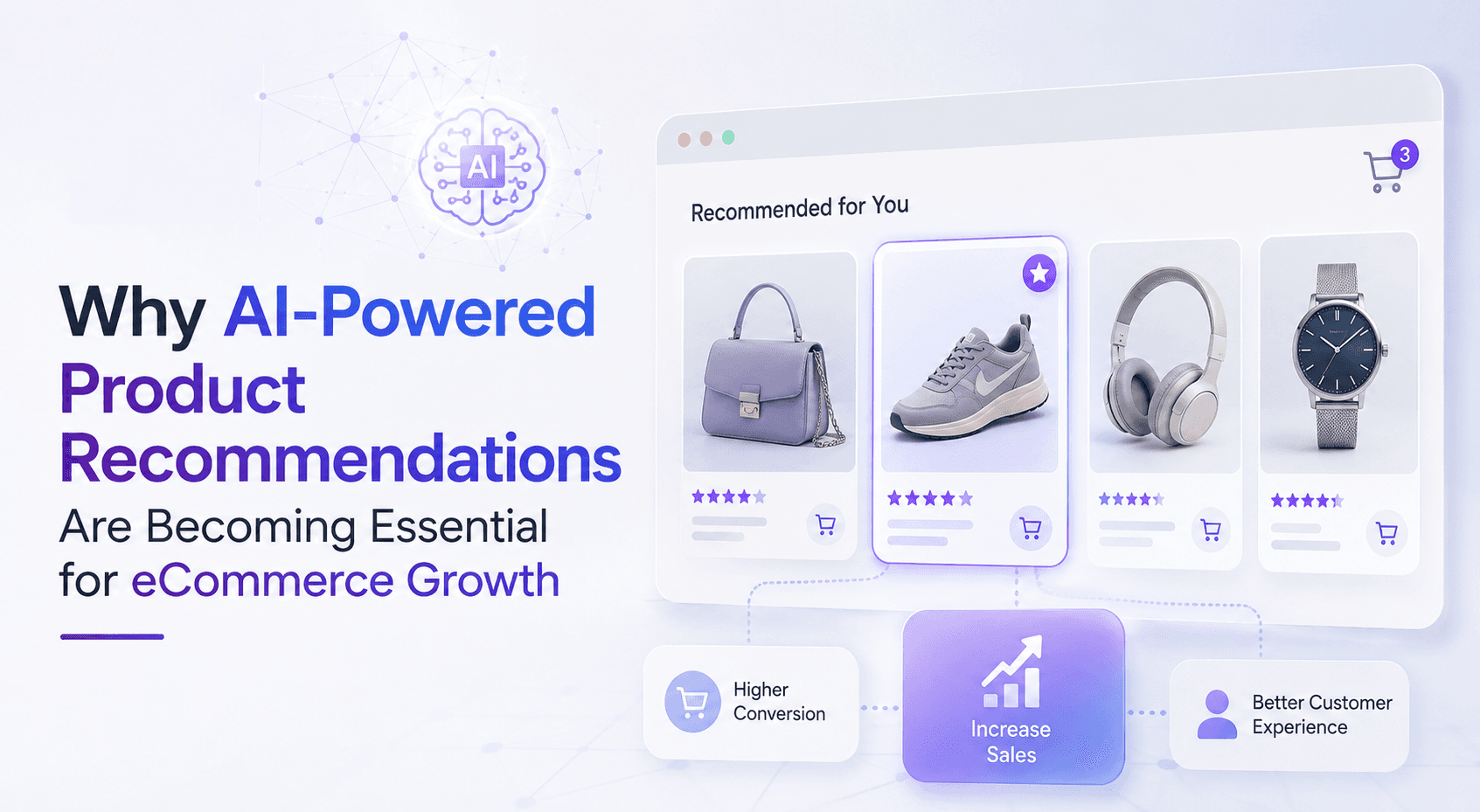
AI Personalization

For a long time, personalization in ecommerce has been more cosmetic than strategic.
A first name in the subject line. A product recommendation block at the bottom of an email. A discount sent to a lapsed customer. A generic post-purchase sequence with a few conditional branches. Useful, yes, but rarely transformative.
That level of personalization is no longer enough.
In 2026, retention is being shaped by a much more demanding customer environment. Consumers expect messages to be timely, relevant, and context-aware. They expect brands to recognize not just who they are, but where they are, what they have done, what they are likely to need next, and how they prefer to engage. At the same time, platforms are getting better at supplying the data and tooling needed to support that shift. Klaviyo’s current product positioning emphasizes smarter AI, richer data, and more powerful channels to help brands grow with confidence in 2026. Klaviyo has also rolled out stronger Shopify Markets support so that customer and catalog data sync with the correct language, currency, pricing, and product URLs across regions.
That is why hyper-personalization is becoming such an important retention topic.
Not because it sounds sophisticated, but because generic lifecycle marketing is getting easier to ignore.
Shopify’s 2026 ecommerce trends report points in the same direction. Shopify identifies hyper-personal customer rewards as one of the defining themes of the year, alongside a broader shift toward more authentic content, more meaningful brand experiences, and AI-shaped commerce. In other words, the future of retention is not just about sending more messages. It is about making each interaction feel more aligned with the customer’s context and motivations.
That distinction matters.
A brand can have a full set of flows and still underperform on retention if those flows feel generic. A welcome series can be beautifully designed and still miss the mark if it does not reflect what brought someone in, what category they care about, or what kind of customer they are likely to become. A post-purchase sequence can be technically sound and still fall flat if it recommends products that are unavailable in the customer’s market, priced in the wrong currency, or irrelevant to their purchase behavior. Hyper-personalization is about closing that gap between “automated” and “actually relevant.”
The good news is that the building blocks are improving.
Klaviyo’s Shopify Markets support is a strong example of where retention strategy is headed. Klaviyo says brands can use Shopify Markets data so customers receive messaging in their preferred language and region, with the appropriate pricing, currency, URLs, and product recommendations. Localized catalog attributes such as titles, prices, compare-at prices, status, currency, and URLs can sync into Klaviyo, enabling brands to personalize across borders with one template system rather than managing fragmented catalog experiences.
This is a bigger deal than it sounds.
For international brands, retention often breaks down in subtle ways. The email is sent in one language, but the product link lands in another. The price shown in the message does not match the market-specific storefront. The recommended item is not actually sold in the customer’s country. Those issues damage trust and reduce conversion, even if the campaign strategy itself is sound. Better localization makes personalization feel more intelligent because it reflects the customer’s real buying environment, not just their name or last purchase.
But hyper-personalization goes beyond locale.
It also includes behavior. A first-time buyer should not receive the same messaging as a high-frequency VIP. A customer who only buys one category should not be pushed into irrelevant cross-sells. A subscriber should not get the same urgency messaging as someone who has never purchased. A shopper who browsed but did not buy needs different content from someone who purchased last week and has high repurchase intent.
This sounds obvious, but many brands still rely on broad segmentation and one-size-fits-most flows. They overuse discounting because it is easier than relevance. They send campaigns based on calendar urgency instead of customer context. They treat personalization like a nice enhancement instead of a core retention strategy.
That approach is getting less efficient.
As inboxes stay crowded and acquisition costs remain high, retention programs need to work harder. Better personalization can improve click-through rates, conversion, average order value, and long-term loyalty, but it can also improve efficiency. When the right product, message, and timing line up more often, brands rely less on blanket promotions to create action.
That is one reason hyper-personalization should be viewed as an operational advantage, not just a customer experience tactic.
It can reduce wasted sends. It can make cross-sell logic more productive. It can improve repeat purchase timing. It can help brands maintain stronger margins by making communications more relevant instead of simply more aggressive.
This is also where AI becomes more useful in retention, though not in the way people often frame it. The most practical role of AI is not replacing strategy. It is helping brands identify patterns, improve timing, surface insights, and act on richer data faster. Klaviyo’s broader 2026 positioning around smarter AI and richer data reflects exactly that kind of shift. The companies that benefit most will be the ones using AI and platform data to sharpen their relevance, not just increase volume.
There is a creative dimension to this, too.
Hyper-personalization should not make a brand feel robotic. It should make the experience feel considered. The message should still sound human. The design should still feel on-brand. The journey should still reinforce trust and taste. Personalization works best when it supports the brand experience instead of overpowering it.
That is especially important as Shopify’s 2026 trend outlook points to a higher bar for authenticity and more meaningful brand experiences. Customers want relevance, but they also want brands to feel real. The strongest retention strategies will combine both: data-smart enough to be useful and creative enough to feel human.
So what should brands prioritize now?
They should move beyond basic segmentation. They should localize where needed. They should make product recommendations more behavior-aware. They should rethink welcome, post-purchase, replenishment, and winback flows through the lens of customer context. They should audit where generic messaging is still doing work that more relevant logic should be doing instead.
Most of all, they should stop treating personalization like a finishing touch.
In 2026, it is becoming the core of effective retention.
The brands that win will not necessarily be the ones sending the most messages. They will be the ones making each message feel more accurate, timely, and useful. They will use richer data more intelligently. They will align content, product logic, and market context more carefully. And they will build retention systems that feel less like automation and more like a brand paying attention.
That is what hyper-personalization really means now.
And that is why it is poised to define retention in 2026.
Recent Post