Merchandising
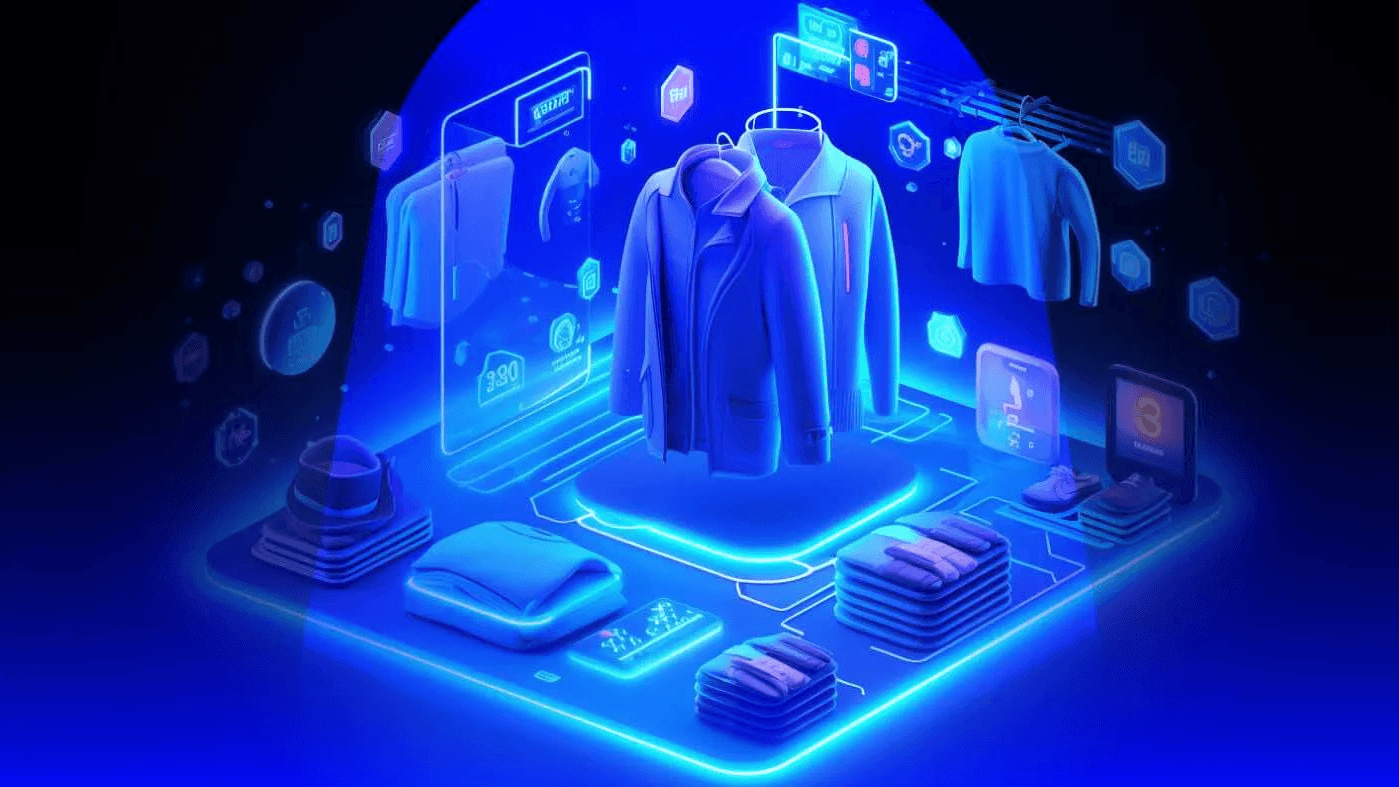
Merchandising used to be mostly about what you featured and how you sorted collections. In 2026, it is also about how quickly your store can learn, adapt, and improve. For lean teams, that shift matters because growth rarely comes from adding more manual work. It comes from building better systems. Your attached strategy pack frames this clearly: lean teams win when merchandising becomes a repeatable system, not a weekly scramble.
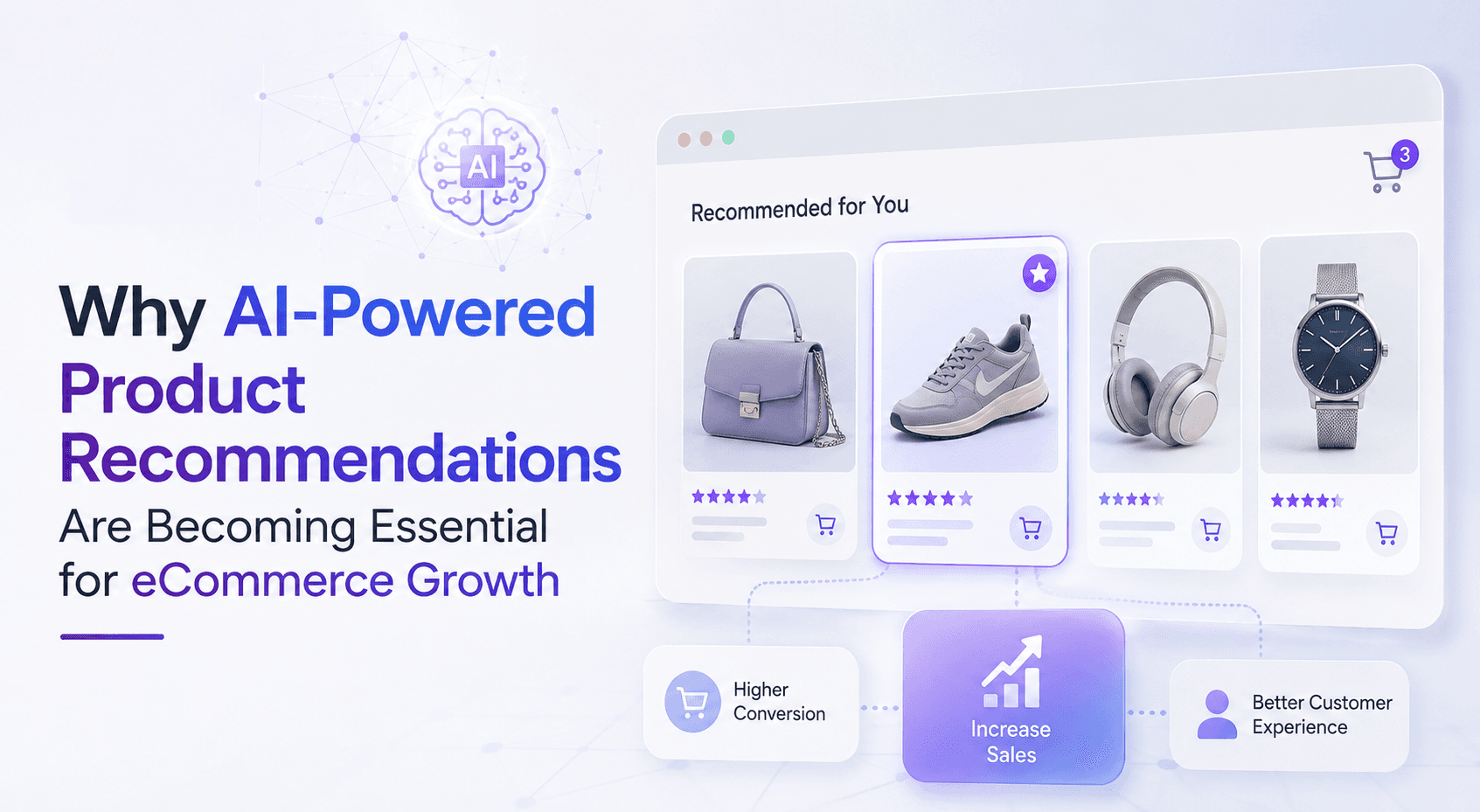
A strong merchandising system starts with product findability. If shoppers cannot quickly narrow down what they want, even high-intent traffic gets lost in the browsing experience. That is why filters, search logic, and recommendation placement matter so much. The draft specifically calls out Shopify Search & Discovery as an important part of this shift, noting that smarter filters and more relevant recommendations help customers reach the right product subset faster without constant manual intervention.
This is where AI merchandising becomes more practical than flashy. It is not about adding some magic widget and hoping it lifts revenue. It is about giving your storefront better inputs so it can produce better outputs. Clean product taxonomy, consistent tags, accurate metafields, thoughtful collection logic, and relevant recommendations all work together to create a store that feels easier to shop. That backend clarity makes the frontend experience stronger. It also makes merchandising more scalable for smaller teams that cannot constantly manage every collection page by hand.
The attached pack also connects this directly to Convert Via’s work. Azeeza is referenced as a useful example of how custom filters, variant swatches, and performance-minded navigation can improve the shopping experience on Shopify. That is an important proof point because it shows this is not just a theory piece. It reflects the kind of implementation work Convert Via is already positioned to support.
Another major theme in this piece is experimentation. Merchandising should not rely solely on instinct or internal preference. It should be tested. The strategy pack highlights Shopify Rollouts as a useful way for teams to schedule, test, and compare storefront changes before making them permanent. For lean teams, that matters because the biggest barrier to testing is often not creativity. It is bandwidth. Safer rollout infrastructure makes experimentation more realistic and more consistent.
This is where merchandising becomes an operating system instead of a creative task list. Collection structure, search behavior, product recommendations, and rollout testing all contribute to how efficiently a store converts browsing into buying. When these elements are aligned, merchandising becomes a revenue driver instead of a maintenance burden.
For Convert Via, this topic fits naturally across web development, CRO, and personalization strategy. The attached pack also recommends weaving in related Convert Via content around Shopify testing and AI personalization, which makes sense because merchandising does not sit in isolation. It touches user experience, product discovery, average order value, and ultimately conversion.
The takeaway is simple: AI merchandising is not about replacing human judgment. It is about helping lean teams build better structure, improve product discovery, and test merchandising decisions more confidently. The brands that win will not be the ones doing the most manual sorting. They will be the ones with the clearest systems behind the storefront.
Recent Post